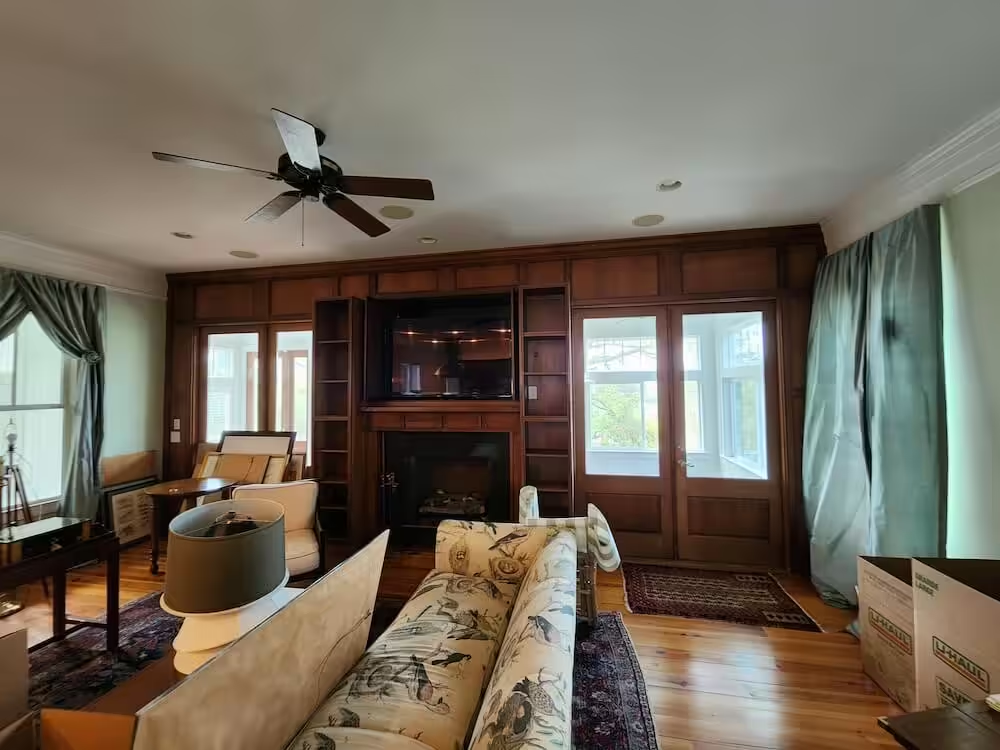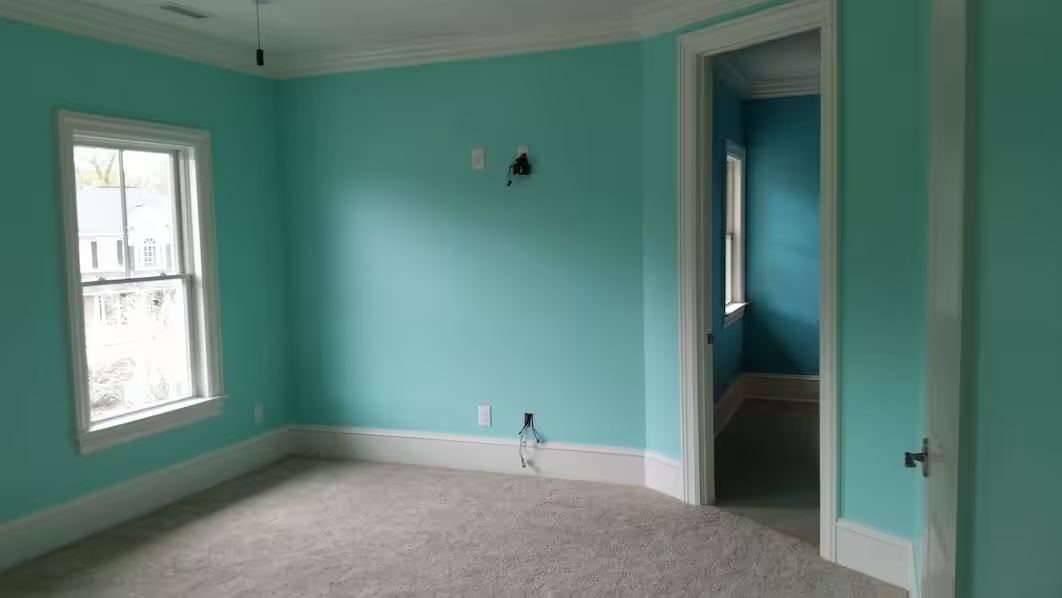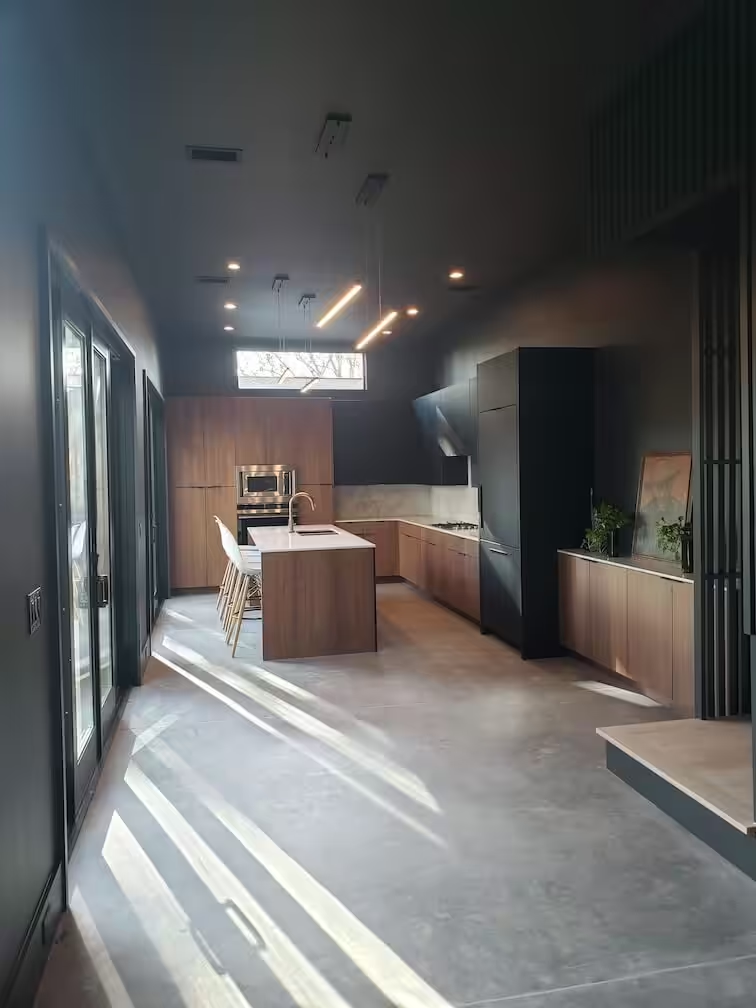
Builders use flat paint because it hides what new drywall looks like under strong side light and because it is the easiest finish to touch up at the end of a job, and the drywall finishing standard used in construction matches each level of drywall work to the paint that goes over it.
That matters in the first year in a new house. Treat the builder’s flat walls like the eggshell walls in your last home, by scrubbing a scuff hard or dabbing fresh paint on it with a roller, and you can leave a patch you see from across the room.
Price gets most of the blame online. The documents behind new construction tell a fuller story, and knowing it changes how you clean, patch and repaint those walls.
Myth: builders use flat paint only because it is cheap
Fact: the sheen and the drywall finish are chosen together. The Gypsum Association’s recommended levels of finish (GA-214, a consensus document with the drywall and painting trade associations) tie each level of drywall work to the paint that will go over it.
Level 4, the one it says to specify where flat paints are applied, has two coats of joint compound over the flat joints and three over fastener heads.
The same document says gloss, semi-gloss and enamel paints are not recommended over Level 4. For those, it recommends Level 5, which adds a skim coat over the entire surface.
Paint makers follow the same logic. Sherwin-Williams describes its Property Solution interior flat as designed for the new construction and multi-family housing markets, with excellent touch-up and good hiding.
Lower-priced contractor lines are part of the picture. But a flat wall over Level 4 drywall is a matched system, not a shortcut.
The numbers behind builder flat
Here is what the two documents above actually say, in their own figures:
| Source | Item | What it says |
|---|---|---|
| Gypsum Association, GA-214 | Level 4 drywall finish | Tape, 2 coats of compound over flat joints, 1 over inside corners, 3 over fastener heads; specified where flat paints go on |
| Gypsum Association, GA-214 | Level 5 drywall finish | Level 4 plus a skim coat over the whole surface; highly recommended for gloss, semi-gloss and enamel paints and severe lighting |
| Sherwin-Williams, Property Solution Interior Latex Flat data sheet (02/2020) | Sheen | 0 to 5 gloss units at 85° |
| Same data sheet | Film | 350 to 400 sq. ft. per gallon at 4 mils wet, about 1.1 mils dry; vinyl acrylic; 28% volume solids |
| Same data sheet | Touch-up | Use the same application method and the same batch; if the walls were sprayed, run touch-up paint through the spray tip |
That last row explains most touch-up disappointments, and it comes up again below.
Myth: a little sheen would make the walls look better
Fact: on drywall finished for flat paint, more sheen can show more of the wall.
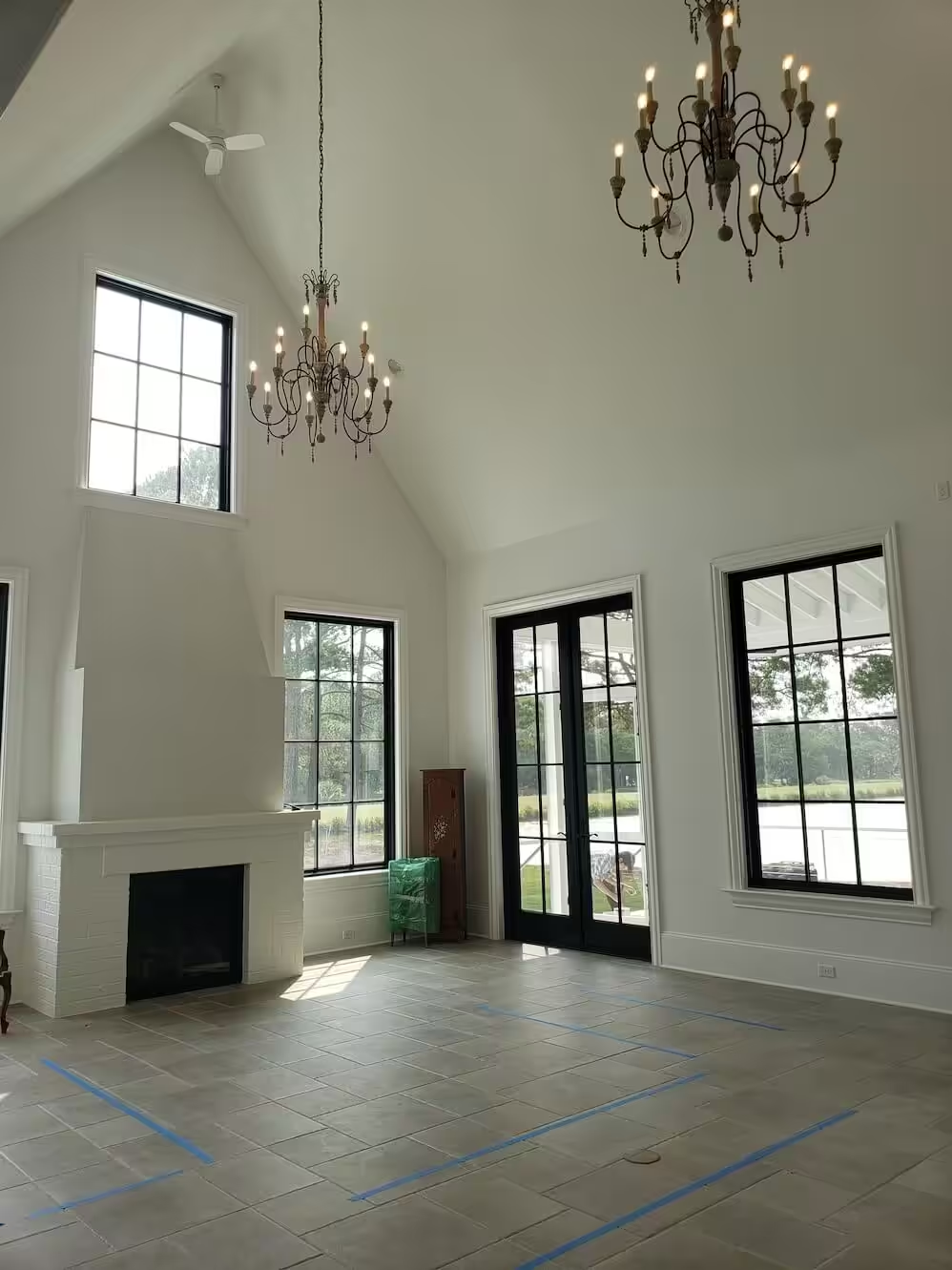
GA-214 calls it critical lighting: strong side light from windows or fixtures that reveals minor surface flaws, worst when the light strikes the wall at a low angle. The standard also defines joint photographing, the shadow of taped joints showing through the paint, and notes that gloss, semi-gloss and enamel finishes highlight surface defects.
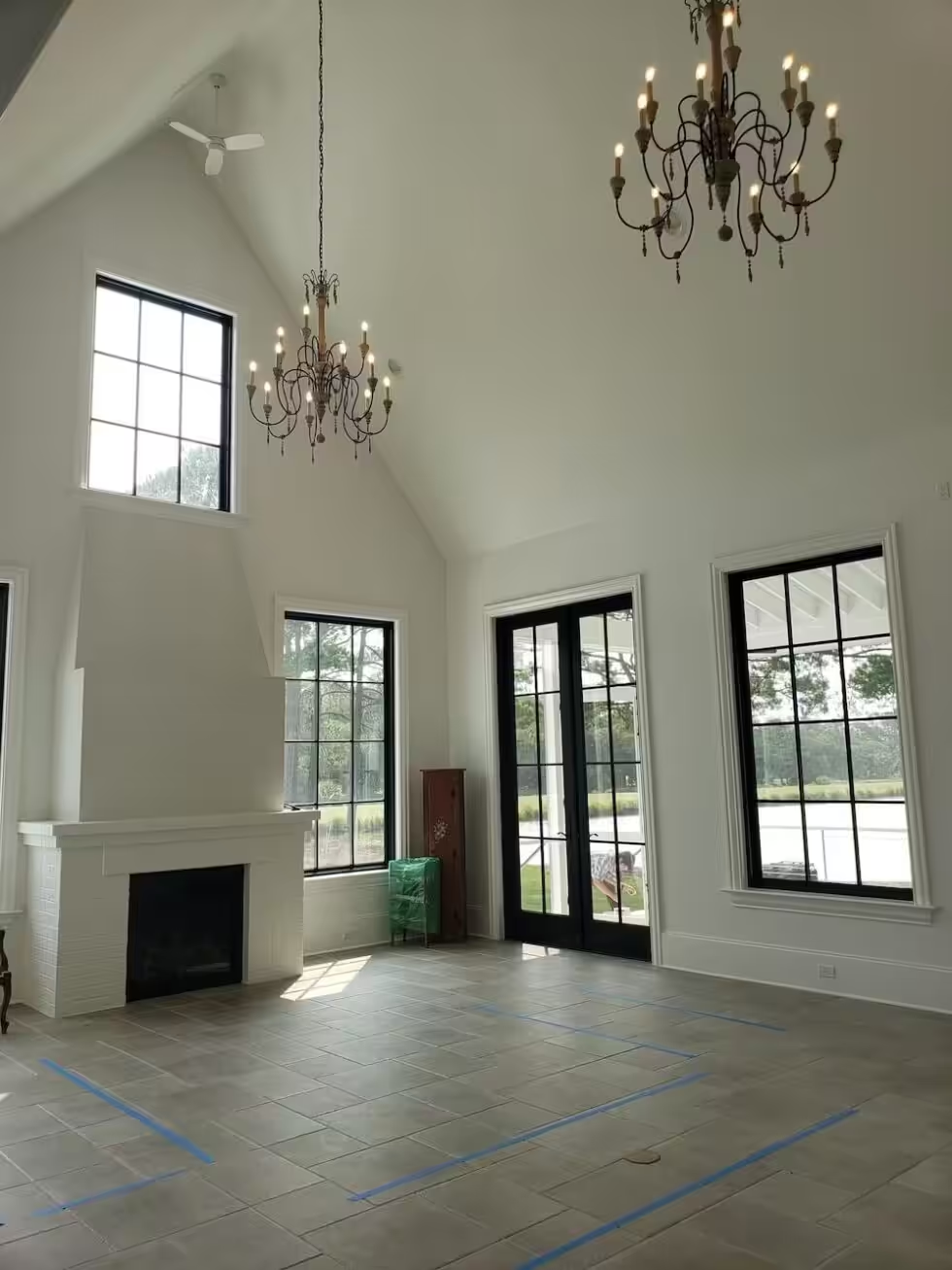
New homes are full of that light. This vaulted great room in a modern farmhouse in Mount Pleasant, which we painted from construction through completion, takes daylight across its walls from tall windows and French doors.
If you want eggshell in a room like this, ask your painter to look at the walls with the blinds open in the morning or late afternoon first. Visible seams and fastener heads mean the walls need more drywall work before more sheen.
Our guide to the best paint finish for walls compares the sheens room by room.
Myth: flat paint can’t be washed
Fact: it depends on the product, not on the word “flat.”
Sherwin-Williams’ own sheen guidance says flat paint is harder to maintain and prone to scuffs and stains. The same company sells a builder line it describes with touch-up and improved washability, and premium interior lines it markets for washability. Two flat walls can behave very differently.
Find out what is on yours. Leftover cans in the garage usually carry the product name, color and sheen; if there are none, ask the builder for the paint schedule. Then test any cleaning method inside a closet before you try it on the living room.
Myth: touch-ups on flat paint always disappear
Fact: they disappear when they match how the wall was painted.
The Property Solution data sheet spells it out: same application method, same batch, and spray-applied walls touched up with paint that has been run through the spray tip.
Paint for new construction is made to be sprayed: the same data sheet lists airless spray settings. A roller patch on a sprayed wall can show as a different texture even when the color matches.
Keep the leftover cans labeled by room. When a patch still shows from a normal viewing distance, repaint that wall from corner to corner instead of adding more spots.
Myth: builder flat must be primed before you repaint
Fact: it depends on the change you are making.
- Same or similar color over clean, sound flat paint: two finish coats are the usual approach.
- A drastic color change: Sherwin-Williams’ data sheet says a coat of primer improves the hiding of the new color.
- Patched drywall: spot-prime the patches so they don’t show through.
Our article on how many coats interior walls need explains when primer comes first and why it does not count as a coat.
Myth: new-home paint should be redone right away
Fact: no rule says so. Repaint when you want a different color or a more washable finish in the rooms that take a beating.
Timing still matters. If your builder’s warranty includes a visit to repair drywall, schedule the repaint after it, so patched walls are painted once, not twice.
Repainting in stages works well: hallways, the kitchen and children’s rooms first, where hands and bags rub the walls, and quiet rooms later, if ever.
When it’s time to call a painter
A few signs say a weekend touch-up has reached its limit:
- Touch-ups flash: shiny or rough patches show from the doorway.
- You want eggshell or satin in rooms with strong side light, and the seams already show.
- You are changing colors in most of the house, especially from light to dark or the reverse.
- Drywall repairs, nail pops or cracked corners need patching and priming before paint.
We are based in Summerville, and our house painters in Summerville paint interiors from single rooms to whole homes, including interior house painting across the Charleston area. Get a free estimate in Summerville and bring a leftover can if you have one: the label saves a guess.