“How long to wait after pressure washing before painting?” sits right in Google’s “People also ask” box for this topic, and it is the right question to start with. Washing is the easy part. Waiting for the house to dry is where paint jobs go wrong.
Wash first, wait for dry wood, then paint
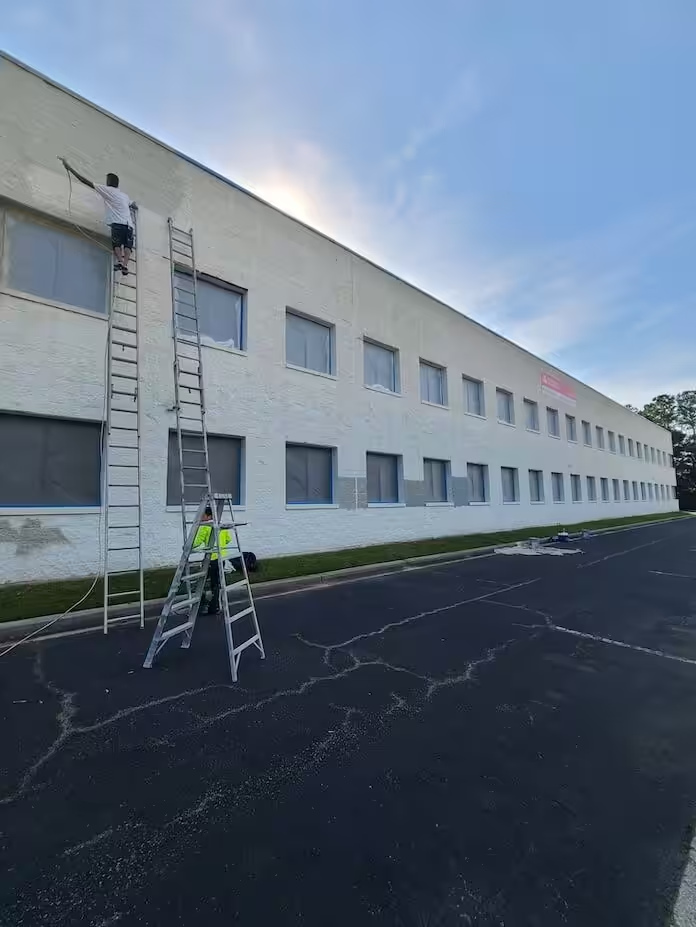
Pressure washing before painting removes dirt, chalky old paint and mildew that would keep new paint from bonding. Then the surface has to dry completely, which usually means at least a full day and sometimes several, depending on the siding and the weather. Paint goes on only when the wood or masonry is dry to the touch and dry inside.
The EPA’s guide to mold and moisture spells out why cleaning matters: do not paint over moldy surfaces, clean them and dry them first, because paint applied over mold is likely to peel.
Step 1: Decide whether the house needs pressure at all
Not every exterior should meet a pressure washer. Look at three things first: the siding material, how dirty or mildewed it is, and how sound the old paint and caulk are.
Hyde Tools, a maker of painting and surface-prep tools, points out in its guide on washing before painting that a high-pressure stream can damage siding, strip caulk and force water behind surfaces. A low-pressure wash with a cleaning solution, or a scrub with a long-handled brush, does the job on many houses.
Will a 3000 psi pressure washer remove paint?
It can strip loose or failing paint, and it can also gouge soft wood, erode mortar joints and drive water into places it should never reach.
The Brick Industry Association caps pressure for cleaning brick at 400 psi at the nozzle unless the brick maker allows more. That is well under the 3,000 psi of the machine in the question.
Step 2: Match the method to the siding
Manufacturers and trade associations publish their own cleaning rules. Follow the one for your surface before anyone starts the engine.
| Surface | What the source says | What that means before painting |
|---|---|---|
| Fiber cement (James Hardie) | James Hardie: use a low-pressure garden hose and a soft, nonmetal brush; don’t use a high-pressure power washer; don’t use harsh chemicals such as bleach or acid | Hose, soft brush and mild soap; rinse before soap dries |
| Brick | BIA Technical Note 20: 25 to 50° stainless fan tip, held at least 12 inches away, no more than 400 psi at the tip unless the brick maker permits | Low pressure, wide fan, test a small area first |
| Wood siding and trim | Sherwin-Williams: wood and masonry absorb more water than aluminum or vinyl; the surface must be dry before painting | Gentle pressure, then measure moisture before priming |
| Chalky aluminum siding | Sherwin-Williams: if the chalk is not removed, the paint will not adhere properly | Wash or scrub until a wiped hand comes away clean |
| Any surface with mildew | EPA: clean and dry mold before painting | Treat with a mildew cleaner per its label, rinse well, let dry |
Step 3: Deal with mildew before it gets painted over
Mildew on shaded walls can pass for dirt. Treat any dark, speckled area as mildew until it is cleaned. Use a cleaner made for the job, follow its label for dilution and contact time, and rinse thoroughly.
On fiber cement, James Hardie recommends scrubbing mildew lightly with a soft cloth or sponge, following the mildew cleaner’s instructions, wearing the protective equipment the label lists and rinsing with a garden hose. Our guide to painting Hardie board siding covers the rest of the manufacturer’s rules, from cut edges to caulk.
Step 4: Protect what the water can reach
Water aimed upward under lap siding or straight into a window seam ends up inside the wall. Keep the spray angled downward, stay off window glass and seals, and cover outdoor outlets and light fixtures.
Wet plants and shrubs down before you start and rinse them again after, so cleaning solution doesn’t sit on the leaves.
Step 5: Wait until the surface is actually dry
Can you pressure wash and paint on the same day? On wood or masonry that got soaked, almost never. Sherwin-Williams advises waiting a minimum of one day after a heavy rain, and a thorough wash puts a lot of water into the same surfaces.
Hyde Tools sets the bar at a surface moisture level of no more than 15% and notes that a washed house can take up to a week to dry, depending on the weather. A moisture meter settles the question; the calendar does not.
In Charleston, humidity and summer storms stretch that wait. If you are choosing a season, our guide to the best time of year to paint a house exterior lays out the local rain and temperature numbers.
Step 6: Look at what the water uncovered
A clean house is easier to read. Walk around after washing and look for paint that lifted in sheets, bare wood, open caulk joints and soft trim.
Peeling spots need scraping and priming. Soft wood needs repair before any paint goes near it; our guide to wood rot repair before painting covers what to probe and in what order.
If your house was built before 1978
Older paint may contain lead, and washing or scraping it can spread chips and dust. The EPA notes that any renovation, repair or painting project in a pre-1978 home with lead-based paint can easily create dangerous lead dust.
The EPA’s Renovation, Repair and Painting Rule requires anyone paid to disturb painted surfaces in those homes to be certified in lead-safe work practices.
Washing as part of an exterior repaint
When you collect estimates, ask each painter whether washing is included, what method they use on your siding and how long they wait before the first coat. The answers tell you a lot about the job you will get.
The price of an exterior repaint depends on the size and height of the house, the siding, how much cleaning, scraping and repair it needs, and the number of colors. VMS Home Painting provides exterior painting for coastal homes across the Charleston area; ask for a free, no-obligation estimate.